Design a Standout Portfolio: The Art Director Resume Template
As a creative professional, your portfolio is your calling card, but your resume is the handshake that gets you in the door. For an Art Director, the resume itself is a critical piece of design work—it’s the first test of your visual communication skills. A cluttered, outdated, or poorly structured document can undermine even the most brilliant portfolio. The challenge is creating a resume that is both aesthetically striking and impeccably organized, a document that guides the hiring manager’s eye exactly where it needs to go. This is where a thoughtfully crafted template becomes an invaluable tool, transforming your CV from a simple list of experiences into a compelling visual narrative of your career.
More Than a Document: A Visual Introduction to Your Brand
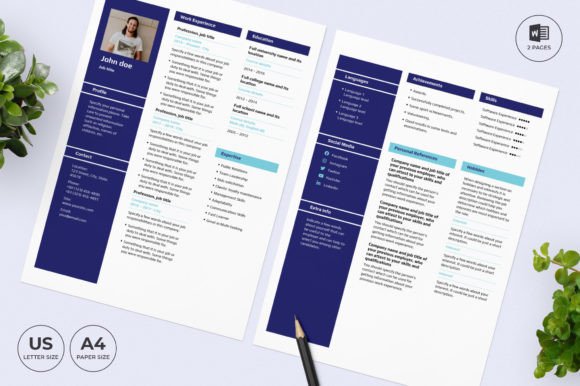
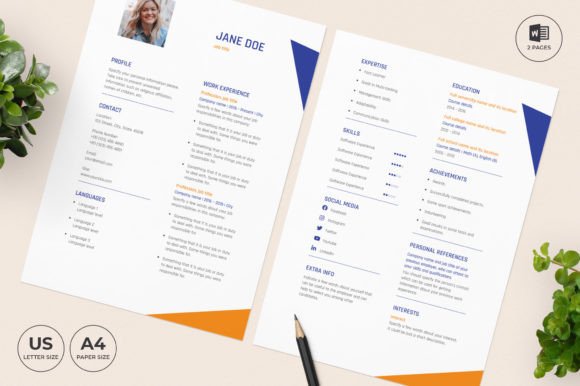
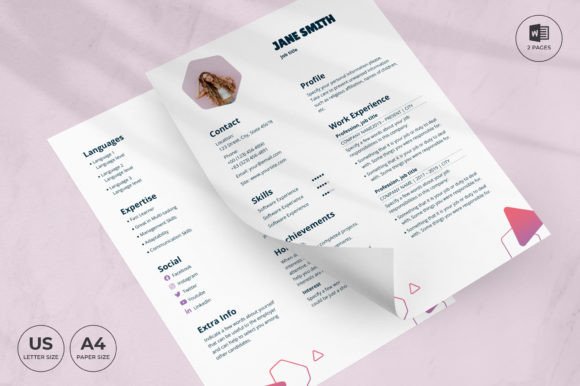
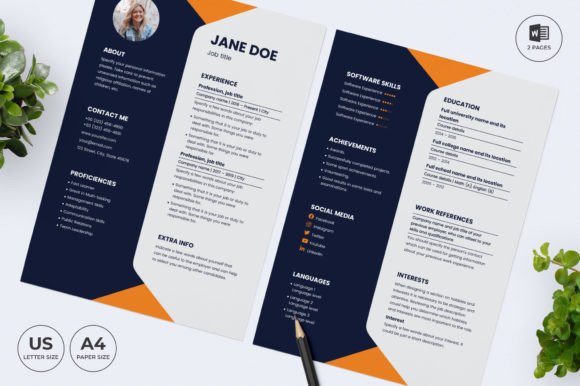
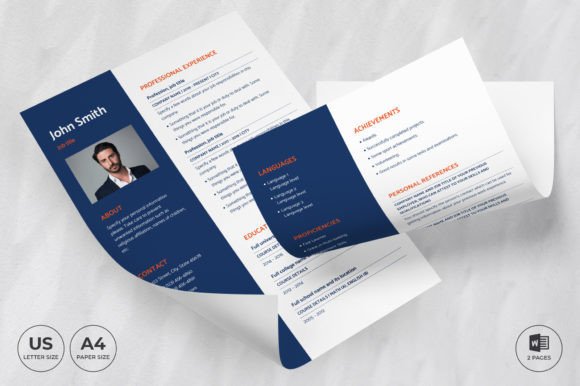
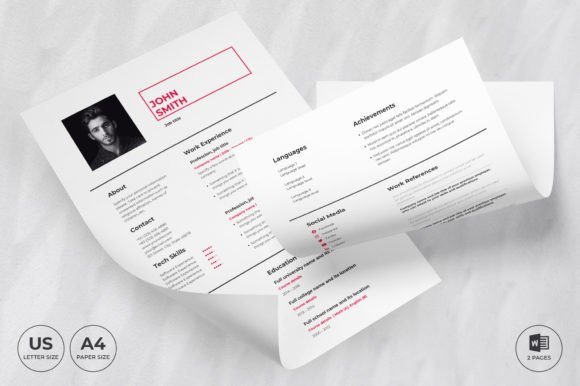
Think of your Art Director Resume Template as the opening chapter of your professional story. Its primary function is clarity and impact. A premium font choice, for instance, is not just about looking good; it’s about establishing immediate credibility. A clean, modern sans-serif for body text ensures readability across digital screens and printed pages, while a distinctive display font for your name and headings injects personality. This combination of a professional typeface and a strong grid layout creates a visual hierarchy that makes your skills and experience scannable in seconds. The template’s design should feel intentional, with careful attention to spacing, alignment, and the strategic use of color accents that reflect your personal brand without overwhelming the content.
The true power of a well-designed template lies in its ability to create visual consistency across all your application materials. When your resume, portfolio, and cover letter share a cohesive typographic and color language, you build a stronger, more memorable brand identity. This isn't just for show; it demonstrates a fundamental understanding of modern typography and design systems—skills that are core to the Art Director role. The template serves as a practical framework for this, ensuring that every element, from section headers to bullet points, aligns perfectly, presenting you as a detail-oriented and organized creative leader.
Practical Customization for Real-World Applications
A template’s value is measured by its flexibility. The ability to change every single word, adjust any color, and swap fonts is crucial. This level of customization allows you to tailor your resume for different opportunities. Applying for a role at a cutting-edge tech startup? You might opt for a bold, geometric sans-serif and a vibrant accent color. Targeting a luxury brand? A refined serif typeface and a muted, sophisticated palette could be more appropriate. This adaptability extends to the structure itself; you can add or delete sections to highlight relevant experience, whether it’s a dedicated “Campaign Leadership” block or a “Brand Systems” portfolio link.
Consider the practical workflow this enables. Instead of wrestling with alignment in a word processor, you start with a professionally designed grid. The included Microsoft Word (DOCX) format means you can edit it in the software most employers use to review documents, ensuring perfect formatting on their end. The print-ready files for both A4 and US Letter sizes mean you’re always prepared, whether submitting digitally or printing a high-quality copy for an in-person interview. This eliminates technical headaches and lets you focus on what matters: the content and the strategy behind your application.
Beyond the Job Search: Extending Your Design System
The design principles embedded in a strong Art Director resume template have applications far beyond job hunting. The same typographic hierarchy and grid system can inform other critical design assets. Imagine using the same font pairing and color scheme to create:
- Professional Business Cards: Ensuring your contact information is presented with the same clarity and style.
- Social Media Graphics: Creating cohesive posts for LinkedIn or Instagram that reinforce your professional brand.
- Case Study PDFs: Developing detailed project breakdowns that maintain visual consistency with your resume.
- Personal Website Header: Establishing a seamless transition from your application materials to your online portfolio.
This approach transforms a single document into the cornerstone of a broader personal brand identity system. By mastering the template’s customizable elements—understanding how to pair a serif font with a sans-serif font, or how to use color strategically—you develop a reusable design language. This skill is directly transferable to client work, whether you’re developing packaging design, editorial layouts, or marketing assets. The template becomes a practical exercise in building a cohesive visual world, a core competency for any creative leader.
Strategic Considerations for Maximum Impact
When customizing your template, strategic choices matter. Select a font style that balances personality with professionalism. Avoid overly decorative script or handwritten fonts for large blocks of text; save them for subtle accents if they align with your personal brand. Prioritize readability above all else for your experience and skills sections. Test your final document by printing it and viewing it on a mobile device to ensure legibility in all common scenarios.
Pay close attention to the commercial licensing of any fonts you choose to integrate beyond what’s included. While the template uses free fonts, if you decide to incorporate a premium font from your own collection, verify its license permits use in a resume document, especially if you plan to share the final file as a PDF. This attention to detail is part of professional practice. Finally, review all the included font styles within the template package. Often, they are selected to work harmoniously together, providing tested and reliable font pairing options that save you time and guarantee a polished result.
Ultimately, your resume should feel authentically you. Use the template as a foundation to build upon, not a rigid cage. Infuse it with your unique perspective, whether that’s through a subtle color choice, a clever section title, or a layout that highlights your most impressive projects. The goal is to create a document that doesn’t just list your qualifications but actively demonstrates your capability as a visual storyteller and strategic thinker—the very essence of a successful Art Director.