Professional Business Documents Made Simple: A Versatile Template
Every entrepreneur knows the sinking feeling of needing a polished document yesterday. Whether it's a last-minute pitch to a potential investor, a detailed proposal for a new client, or a comprehensive report for stakeholders, the pressure to present your business professionally is immense. Starting from scratch each time is not only inefficient but often results in inconsistent branding and a frantic rush that compromises quality. This is where having a reliable, adaptable design asset becomes invaluable, transforming a stressful task into a streamlined process.
A Foundation for Any Business Narrative
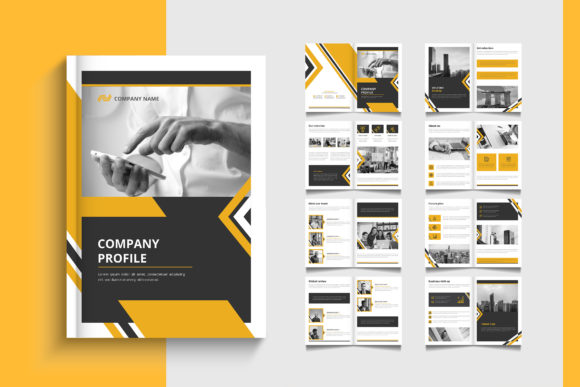
Imagine a single design system that can fluidly adapt to tell different chapters of your business story. A well-structured template acts as this foundation. It provides the visual grammar—consistent margins, typographic hierarchy, and layout logic—that ensures your message is always communicated with clarity and sophistication. The real power lies in its versatility. The same core design can be repurposed to create a sleek company profile that outlines your mission, a detailed white paper that establishes your expertise, or a vibrant brochure that showcases your latest products. It’s about having a cohesive visual language ready to deploy for any professional communication need.
This approach moves beyond one-off projects. When your proposals, reports, and marketing materials share a common design DNA, you reinforce your brand identity with every document you send. Clients and partners begin to recognize your materials instantly, building trust and familiarity. The template becomes a silent ambassador for your brand's professionalism and attention to detail, whether it's being viewed on a screen or held in someone's hands.
Practicality Meets Professional Polish
The true value of a professional template is measured in the hours it saves and the quality it guarantees. A system built on standard A4 sizing with print-ready specifications, like a 3mm bleed, eliminates guesswork for commercial printing. Using a CMYK color mode ensures that the vibrant blues on your screen translate accurately to the printed page. For the designer or business owner, this means fewer revisions with the printer and more confidence in the final product.
Furthermore, accessibility is key. The ability to edit the core file in industry-standard formats like Adobe Illustrator (Ai) and Encapsulated PostScript (EPS) provides tremendous flexibility. You can make precise adjustments to every element, from color swatches to vector icons, ensuring the final product is perfectly tailored to your brand's palette and personality. This level of control is crucial for maintaining visual consistency across all touchpoints, from a formal annual report to an engaging social media graphic derived from the same source material.
From Digital Assets to Tangible Collateral
Think about the various ways a single, well-designed layout can be leveraged across your marketing ecosystem. The clean, structured grid of a company profile is perfect for an editorial-style blog post or a downloadable PDF guide on your website. The bold section dividers and infographic-ready spaces in a brochure can be adapted for a keynote presentation or a series of Instagram carousel posts. The formal tone of a proposal template can be softened and used for an elegant event invitation or a luxury product lookbook.
Consider a small boutique launching a new collection. They could use the template to create a detailed prospectus for potential wholesale buyers, a beautiful booklet for customers in-store, and a condensed version as a digital catalog for email marketing. Each piece feels part of the same family, strengthening the brand's narrative of curated elegance. This kind of strategic reuse of design assets is what separates haphazard marketing from a coherent, professional brand strategy.
Ensuring Your Message is Received
Ultimately, the goal of any business document is clear communication. A thoughtfully designed template enhances readability by establishing a visual hierarchy that guides the reader's eye. Strategic use of white space prevents the page from feeling cluttered, while consistent typographic styles for headings, subheadings, and body text make the content digestible. This isn't just about looking good; it's about respecting your audience's time and making your key points impossible to miss.
When selecting or customizing such a template, focus on alignment with your project's goals. Is the tone formal and authoritative, or creative and approachable? The typography and color scheme should reflect this. For instance, a combination of a clean sans-serif for body text and a distinctive serif for headings can balance modernity with tradition. Always test your content within the layout. Does the text reflow cleanly? Do the images support the narrative without overwhelming it? A template should serve your content, not constrain it.
By integrating a versatile and professionally crafted template into your workflow, you equip yourself with more than just a file. You gain a reliable partner in presentation, one that ensures every proposal, report, and brochure you produce reflects the quality and credibility of your work. It’s an investment in efficiency, consistency, and the powerful first impression that every business strives to make.