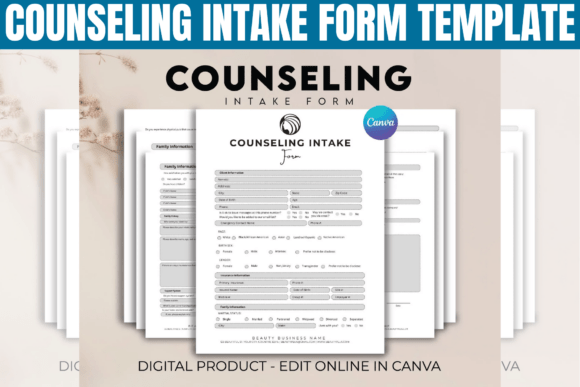
Professionalize Your Practice with a Customizable Intake Form Template
Walking into a therapy session for the first time can feel vulnerable for clients, and chaotic for practitioners without the right systems in place. The bridge between that initial inquiry and the first productive session is built on paperwork, but not just any paperwork. A well-designed Counseling Intake Form Template does more than collect data; it sets the tone for your entire professional relationship. It communicates organization, empathy, and competence before you even say a word. For therapists, counselors, and mental health professionals, this document is a cornerstone of practice management, ensuring you gather critical information while establishing clear boundaries and expectations from the outset.
This isn't about generic, one-size-fits-all forms pulled from a quick internet search. A premium, editable template offers a structured yet flexible foundation. It includes all the essential sections—client demographics, emergency contacts, presenting issues, mental health history, and referral sources—while giving you complete control to adapt it to your specific modality, whether you specialize in CBT, EMDR, family systems, or art therapy. The real value lies in its ability to be transformed into a true extension of your brand identity.
Beyond Data Collection: The First Impression of Your Brand
Think of your intake paperwork as the first piece of tangible branding a client encounters. A generic, cluttered form can feel impersonal and outdated. In contrast, a thoughtfully customized Mental Health Intake Form Template reinforces your practice’s professionalism and aesthetic. By editing the template in a user-friendly platform like Canva, you can seamlessly integrate your logo, choose color palettes that evoke calm and trust, and select font styles that are both readable and reflective of your practice’s vibe—whether that’s modern and minimalist or warm and approachable.
This visual consistency extends to every client touchpoint. When your intake form, website, social media graphics, and even your office décor share a cohesive visual language, you build stronger brand recognition. Clients subconsciously register this attention to detail, which builds confidence in your services. It’s a subtle but powerful form of marketing that speaks to your commitment to a professional, organized practice.
Practical Applications and Workflow Efficiency
The utility of a high-quality Counseling Intake Form template goes far beyond the first appointment. Its structured format is a blueprint for efficiency, saving you countless administrative hours. Consider these practical applications:
- Digital Onboarding: Send the form as a fillable PDF via a secure client portal before the session, allowing clients to complete it at their own pace. This maximizes your face-to-face time for therapeutic work, not paperwork.
- Streamlined Record-Keeping: Consistent formatting makes it easier to file and retrieve client information, a critical component for maintaining organized and compliant clinical records.
- Informed Consent Integration: Many comprehensive templates bundle the Informed Consent for Counseling and Psychotherapy directly with the intake form. This ensures clients understand confidentiality, session policies, and their rights, which is both an ethical and legal necessity.
- Customization for Specializations: A therapist working with children might add a developmental history section, while a couples counselor could include a relationship assessment. The editable nature allows you to remove irrelevant sections and add specialized questions, making the form uniquely yours.
This level of customization transforms a static document into a dynamic tool that supports your clinical workflow. It reduces the risk of missing vital information and creates a standardized process that you can rely on, client after client.
Key Elements of an Effective Therapist Office Form
Not all forms are created equal. A truly effective Therapist Office Forms package balances comprehensiveness with clarity. Here’s what to look for and consider when customizing your template:
- Logical Flow: The form should guide the client through information in a logical sequence, starting with basic contact details and moving toward more sensitive presenting issues. A confusing layout can increase client anxiety.
- Readability is Paramount: Choose clean, sans-serif fonts for body text to ensure easy reading, especially for longer passages. Avoid overly decorative scripts for critical information. Pay attention to font size, line spacing, and contrast against the background.
- White Space Matters: Don’t cram every inch of the page. Ample white space reduces visual clutter, making the form feel less intimidating and easier to navigate. This is a key principle of good editorial design and web design that applies perfectly here.
- Clear Instructions and Labels: Use bold headings and concise instructions. For example, “Please list all current medications” is clearer than a vague prompt.
- Branding Elements: As mentioned, your logo, brand colors, and chosen typeface should be present. This turns a functional document into a piece of your overall brand identity.
Remember, the goal is to make a stressful process as smooth as possible. A well-organized form demonstrates empathy and respect for your client’s time and emotional state.
From Template to Tailored Tool: Making It Your Own
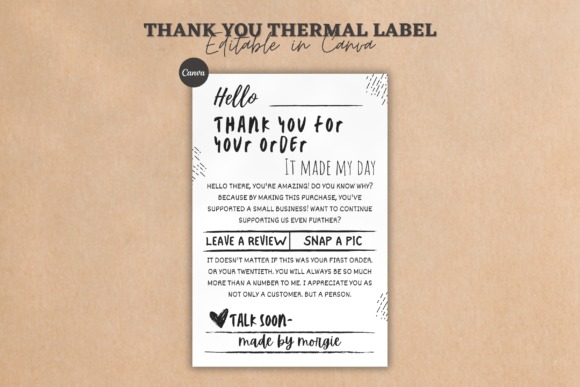
The journey from a purchased template to a personalized design asset is straightforward. After downloading the PDF, you open the Canva link. This is where your creativity and knowledge of your practice come into play.
Start with the fundamentals: upload your logo and set your brand colors. Then, review the content sections. Do you need to add a question about previous therapeutic experiences? Is there a section on substance use that’s mandatory for your license but not relevant to your niche? You can remove it or rephrase it. Adjust the sizing of text boxes to accommodate longer answers if needed. The drag-and-drop interface makes it simple to rearrange elements until the layout feels intuitive.
Think about the end-user experience. Will you be printing this form, or will clients fill it out on a tablet in your waiting room? For digital use, ensure clickable checkboxes are included. For print, make sure the lines for written responses are sufficient. This practical testing is akin to a packaging design review—every element must function perfectly for its intended use.
Once customized, you download your final version. This single, professional document now works in tandem with your other marketing assets, like your website and social media, presenting a unified and trustworthy image. It’s a small investment of time that pays dividends in client trust, operational efficiency, and the strengthened professional identity of your counseling practice. By treating your intake forms with the same care you give your therapeutic work, you build a foundation for success from the very first point of contact.