Seamless Branding: Editable Clothing Tag Bundle for Canva
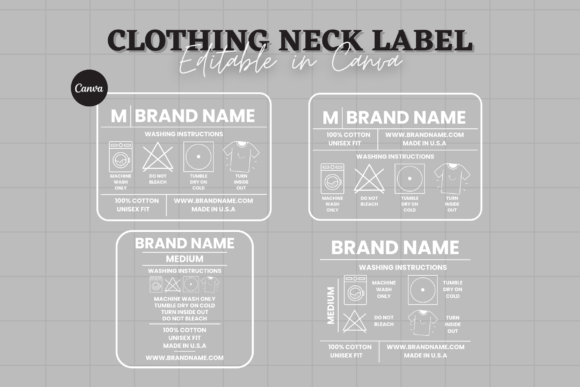
There is a specific moment in the lifecycle of a small clothing brand where the product stops being just a garment and starts becoming a business. It happens when you hold a finished shirt or a handmade dress and realize that a raw edge or a generic label undermines the hours of work you put into the construction. We often obsess over the fabric weight and the stitch count, but the point of contact between the garment and the wearer’s skin—the neck label—is frequently an afterthought. That is where the concept of a dedicated, editable design asset changes the game. Instead of settling for scratchy, generic commercial tags or paying a premium for custom manufacturing runs, creators now have the ability to design their own professional insignias. This specific editable clothing tag bundle for Canva bridges the gap between amateur crafting and professional fashion branding, offering a tactile finish to your digital creations.
The appeal of a tool like this lies in its ability to democratize design. For years, creating a cohesive brand identity required expensive software like Adobe Illustrator and a steep learning curve involving vector paths and layers. By shifting this workflow to Canva, the barrier to entry is virtually eliminated. The visual appeal of these templates is rooted in their versatility; they are not one-size-fits-all graphics, but rather structured starting points. Whether your brand identity leans toward minimalist chic, rustic farmhouse, or bold streetwear, the architecture of the template allows you to manipulate the visual language to match. It is about taking a professionally balanced layout—where the typography and spacing are already harmonious—and injecting your specific personality into it.
Practical Applications Beyond the Neckline
While the primary function of this asset is indeed the clothing neck label, restricting its use to just that area would be a missed opportunity for visual consistency. One of the most effective strategies in marketing is repetition; seeing the same visual cues across different touchpoints builds trust. When you download a high-quality design bundle, you are essentially acquiring a toolkit for your entire brand ecosystem.
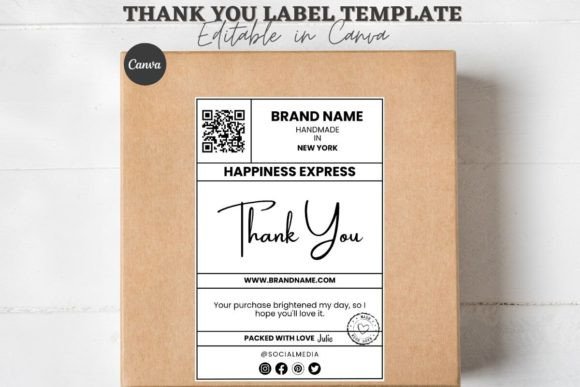
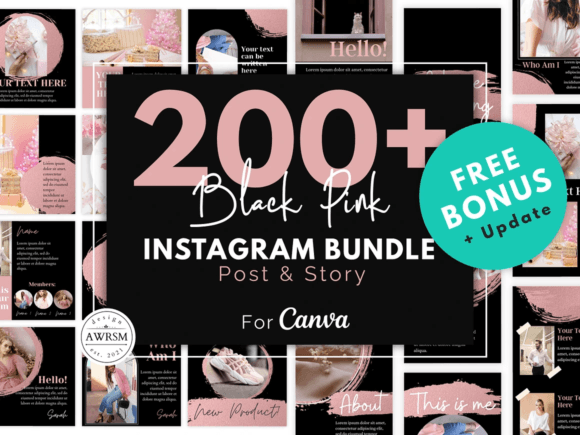
Consider the unboxing experience, which is a critical part of modern e-commerce. You can use these templates to design coordinating packaging elements. Resize the graphics to create stickers for mailer bags, hang tags for your garments, or even thank-you cards that slide into the order. Because the file is editable, you can adapt the typography for social media graphics, ensuring that your Instagram grid looks as polished as the physical product. The same font pairing and color palette used on your shirt tag can be applied to your website banners or blog headers, creating a seamless transition for customers moving from your physical product to your digital storefront.
Furthermore, this asset is incredibly useful for creating marketing materials. If you are preparing a lookbook, a digital catalog, or a poster for a pop-up shop, having a consistent typeface is vital. Instead of hunting for new fonts every time you start a project, you can pull from this bundle to maintain a cohesive aesthetic. It serves as a central hub for your visual identity, ensuring that whether a customer is looking at a flyer, a business card, or a merchandise item, they instantly recognize your brand voice.
Strategic Typography for Brand Recognition
Typography is the voice of your brand written down. It communicates tone before the customer even reads the word. A heavy, bold sans-serif font suggests strength and modernity, while a delicate script implies elegance and femininity. When utilizing an editable bundle, you have the opportunity to experiment with these psychological cues. The goal is to choose a font style that aligns with the emotional response you want to evoke.
For instance, if you are designing for a sustainable, eco-friendly clothing line, you might opt for a clean, organic-looking sans-serif or a natural handwritten font. Conversely, a luxury streetwear brand might benefit from a condensed, all-caps display font. The key to successful logo design and brand identity is not just picking a font you like, but picking one that speaks to your target audience.
Readability is another crucial factor, particularly when dealing with small-scale print materials like clothing tags. While a highly stylized script font might look beautiful on a poster, it can become illegible when printed at 10pt size on a satin label. This is where the practical advice of testing font pairings comes in. You might use a decorative display font for the logo on the tag, but pair it with a clean, legible sans-serif for the sizing and care instructions. This hierarchy ensures that the essential information is communicated clearly while maintaining the artistic flair of the brand.
The DIY Advantage: Customization and Workflow
The beauty of using a Canva-exclusive file is the control it puts back into the hands of the creator. Small business owners often operate on tight timelines. Waiting for a graphic designer to make minor text changes to a label can take days, delaying production. With an editable template, the workflow becomes instantaneous.
The customization options are extensive yet user-friendly. You can easily change the background to match the specific fabric color of your garment—perhaps a cream background for off-white shirts and a stark black for dark tees. Text elements are fully malleable; you can adjust the kerning to make the letters feel more open and airy, or tighten them up for a compact, modern look. You can swap out the fonts entirely if you have a specific brand typeface you prefer, or stick with the curated options provided in the template.
This flexibility is particularly advantageous for brands that release seasonal collections. You might want your Summer Collection to have a lighter, more playful vibe, while your Winter Collection feels heavier and more grounded. By using the same template structure but adjusting the font and color palette, you maintain brand recognition while signaling a shift in seasonality. It allows for rapid prototyping; you can mock up five different versions of a label in twenty minutes, print them out, and hold them against the fabric to see which one resonates best before committing to the final print run.
Professional Polish and Commercial Viability
First impressions in fashion are largely visual, but the tactile experience solidifies the relationship. A garment with a thoughtfully designed, printed neck label feels significantly more expensive than one with a handwritten marker tag or a generic "One Size" label. It signals to the customer that you care about the details, which builds confidence in the quality of the garment itself.
For those selling on platforms like Etsy, Depop, or their own Shopify stores, this professional presentation can be a differentiator in a saturated market. It elevates the perceived value of the item. Moreover, understanding the licensing of your design assets is important. Most high-quality templates come with commercial licenses that allow you to use the designs on products you sell, but it is always best practice to review the specific terms. Ensuring your assets are legally cleared for commercial use protects your business and allows you to scale without legal hiccups.
Ultimately, the goal is to create a lasting impact with minimal friction. By integrating a versatile, editable clothing tag bundle into your design toolkit, you are not just buying a graphic; you are investing in a system that streamlines your branding process. It allows you to move faster, design smarter, and present a cohesive, polished image to the world. Whether you are a seasoned designer looking to streamline your workflow or a hobbyist taking the first steps to monetize your craft, having a reliable, editable template is a strategic asset that pays dividends in brand equity and customer perception.